
De totstandkoming in New York van de ‘American Commission for Relief in Belgium’ (ACRB) is mede te danken geweest aan de ‘The Woman’s Section’, geleid door Josephine White Bates, die zich ontwikkelde, parallel aan de Men’s Department’, geleid door Lindon W. Bates sr., echtgenoot van Josephine.
Lou Henry Hoover, vanuit San Francisco, en haar echtgenoot Herbert Hoover, vanuit Londen, UK, waren beiden in nauw contact met zowel Josephine als Lindon Bates sr. over de gang van zaken.
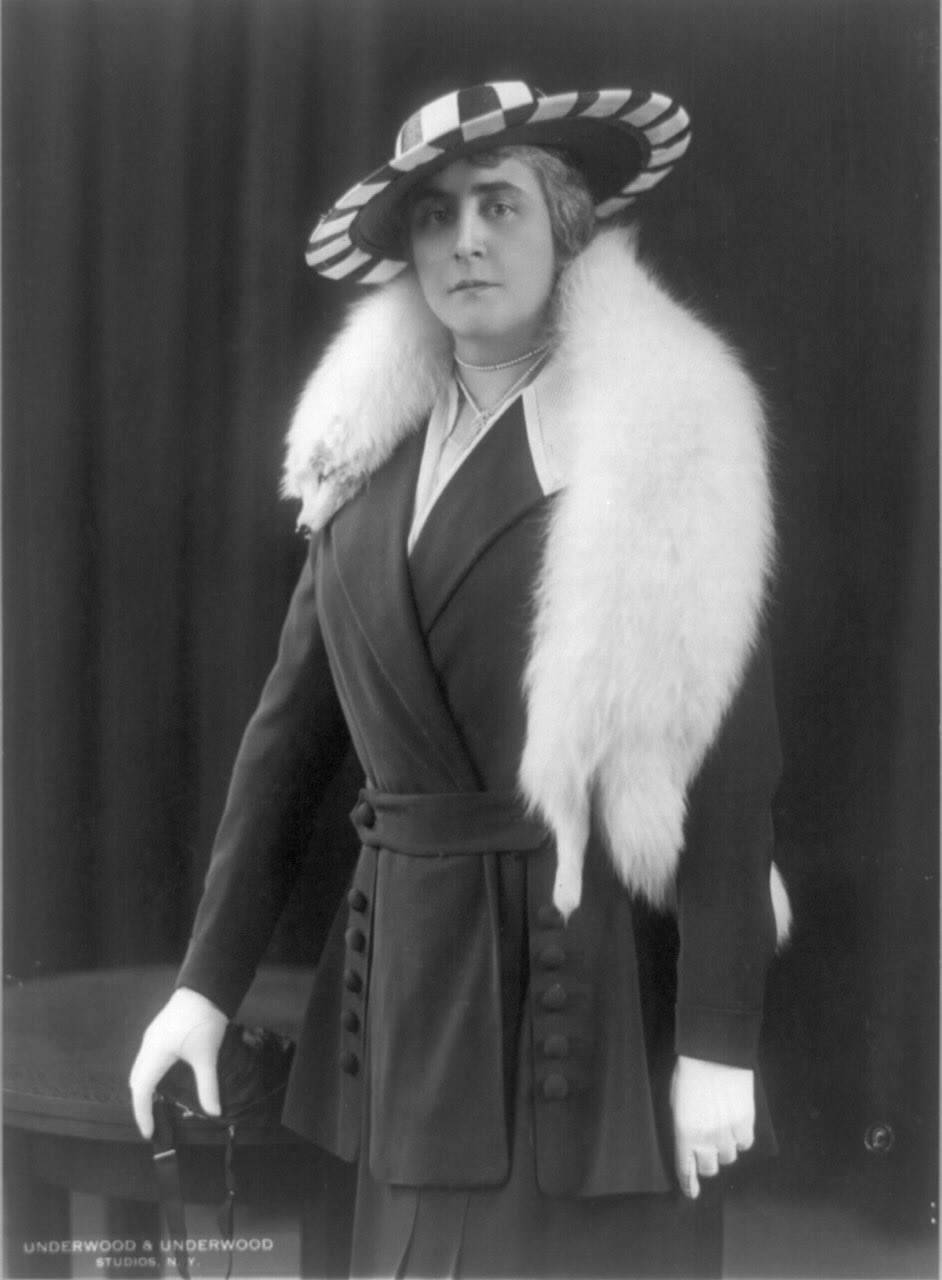
Josephine White Bates en haar gezin
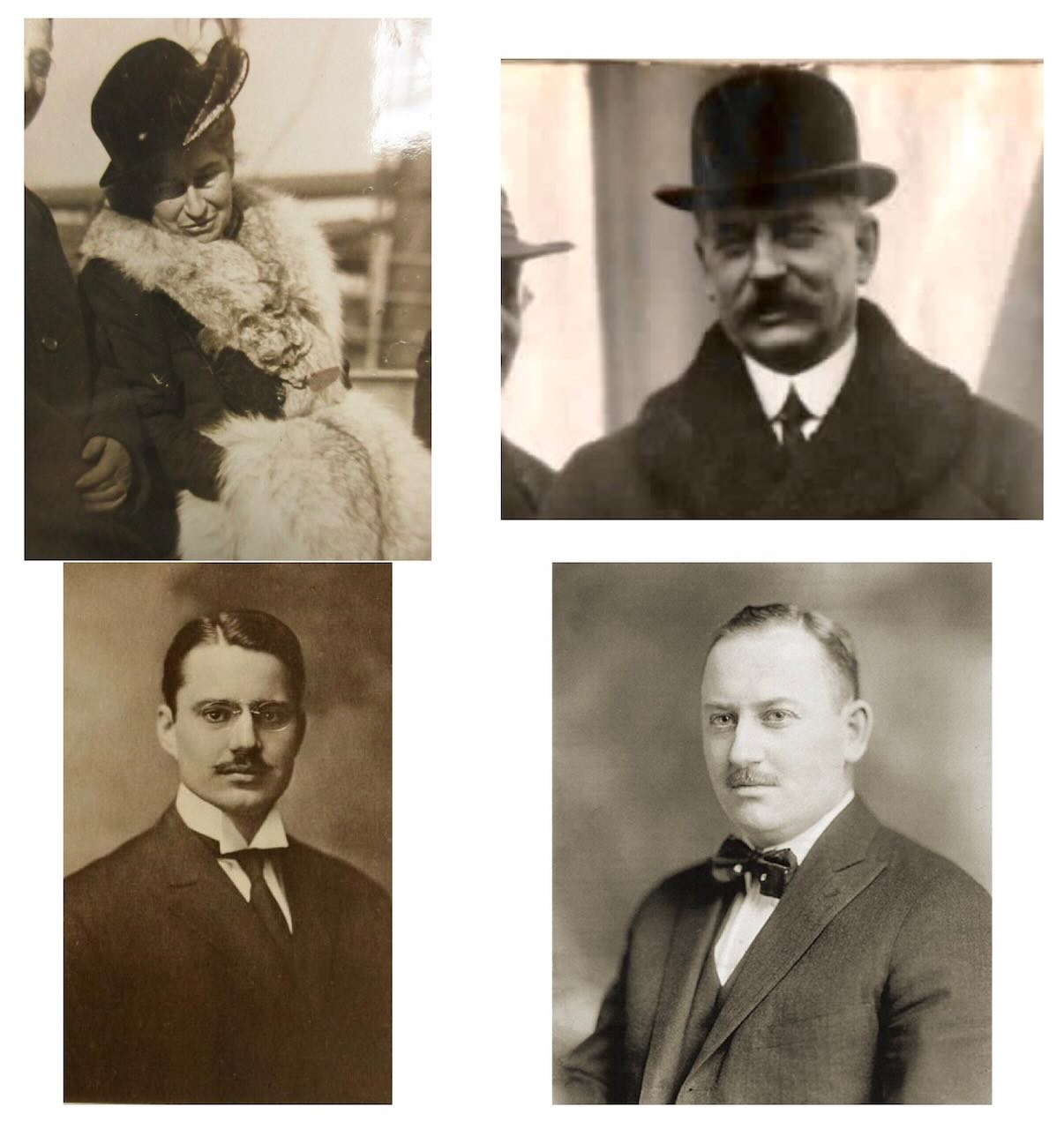
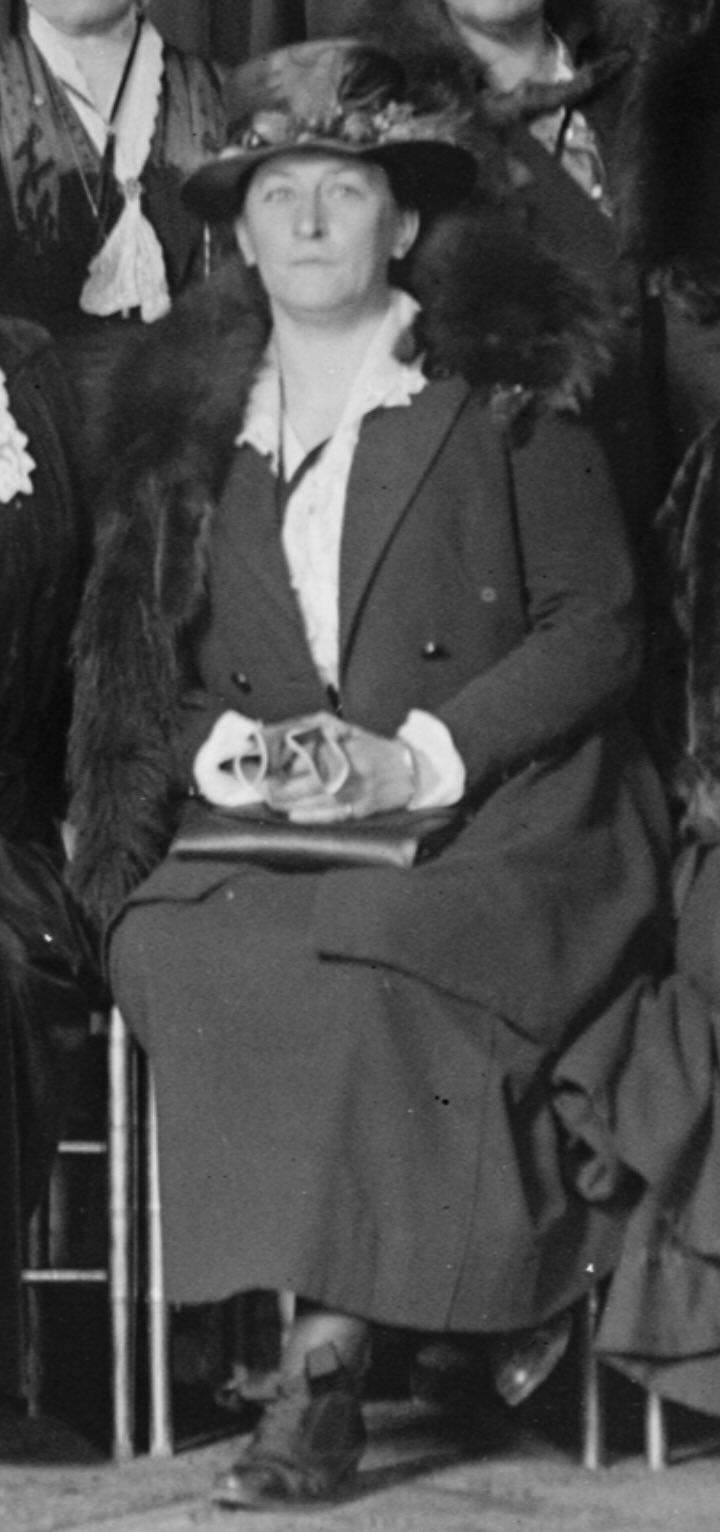
Josephine White Bates (ºPortage-du-Fort, Québec, Canada, 08-07-1862 +Yorktown, New York, USA, 20-10-1934) was 52 jaar toen de oorlog in Europa uitbrak. Haar meisjesnaam was White, ze werd geboren in Canada, ze was een gerespecteerd schrijfster.[1]

Josephine White Bates of ‘Mrs. Lindon Bates’, was getrouwd in Portland, Oregon, op 22 april 1881, met de Amerikaanse ingenieur Lindon Wallace Bates, 56 jaar in 1914, (ºMarshfield, Vermont, VS, 19-11-1858 +Chantilly, Frankrijk 21-04-1924) [1a]. Zijn bedrijf Bates Engineering Company, NY, werkte onder meer aan de aanleg van het Panamakanaal, geopend in 1913. Begin 1900 was Bates betrokken bij de aanleg van de haven van Antwerpen.
Het echtpaar kreeg twee zoons: Lindon Wallace jr. ‘Rox’, 31 jaar in 1914, (ºPortland, Oregon, 17-07-1883 +Ierland 07-05-1915) en Lindell Theodore ‘Dell’, 24 jaar in 1914, (º13-02-1890 +Londen, UK, 13-04-1937).
De vriendschap tussen de gezinnen Bates en Hoover
Het gezin Bates woonde op vele plaatsen in de wereld door het werk van Lindon Bates. Het onderhield vriendschappelijke contacten met het gezin van Herbert en Lou Hoover en hun twee zoons. Josephine and Lindon W. Bates woonden in New York, 5th Avenue; alternatief verbleven zij in hun buitenhuis, de Lebanon Lodge in Mount Libanon, Pennsylvania. Zij waren rijke, welvarende New-Yorkers, behorend tot het netwerk van meest invloedrijke mensen in de stad.
In oktober 1914 verbleven de Bates in New York, Lou Henry Hoover met haar twee zoons in Californië, Herbert Hoover in Londen, UK.
‘Belgian Relief New York section’
Herbert Hoover legde contact met Lindon Bates. Op 28 oktober 1914 vroeg hij hem te assisteren bij het werk voor de Commission for Relief in Belgium, gevestigd in Londen.
Hoover had daarvoor contacten met anderen in New York, hij werkte op meerdere manieren aan hetgeen hij wilde bereiken. Hij stuurde Sidney Ball het bericht: “I suggest Lindon Bates be asked join New York Committee owing his long association with Belgian officials and important business men and high esteem in which he is held here. Bates will be able to smooth many difficulties if he will serve”.
Aan Lindon Bates schreef hij:
“Will you help me Belgian Relief New York section? See Sidney Ball get copies cables from me re Ryan*) and position. (…) Apparently Ryan not prepared make good putting up money and to embarrassment of Ambassadors insists on cabling them instead of myself in these matters. Will you try get into this situation and advise me what course we ought take. I am proposing to set up subcommittee principal points in States to collect and ship food. I believe we will be able raise necessary money for relief funds in Europe to pay for freight and insurance. If you will interest yourself I will send you any necessary cables of authority.”[2]

Kennelijk overlegden Josephine en Lindon Bates thuis over de situatie en besloten samen de hulpverlening aan België op te pakken. Lindon Bates accepteerde zijn rol, maar koppelde zijn akkoord aan het verzoek om Josephine Bates officieel om hulp te vragen om met Amerikaanse vrouwenorganisaties een sterke groep van miljoenen vrouwen te formeren, die voedsel en geld zouden verschaffen. “Will help. Cable credentials which I will use discreetly as New York City fairly covered. Cable Mrs Bates officially requesting her form strong group to enlist all women organizations to procure food or money. These organizations total eight million member group ready.” [3]
‘The formation of a great group of American Women’
Hoover antwoordde per omgaande: “Glad adopt suggestion Mrs. Bates if there is no probable conflict Ryan.” [4]
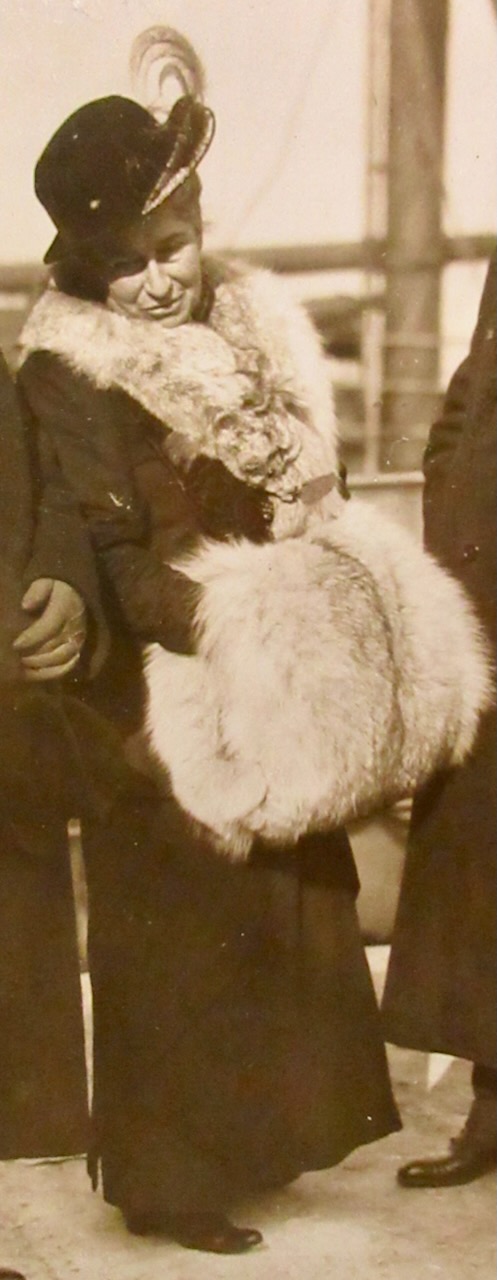
Dus stuurde Herbert Hoover deze officiële uitnodiging aan Josephine Bates: “The American Commission for Relief in Belgium which has been set up officially by the American Ambassadors to execute their international agreements for the provisioning of Belgium and which embraces American Ambassadors as Honorary Chairman, the American Consuls and American Residents of England and Belgium as members, would like to have you undertake the formation of a great group of American Women who would support us in securing food or money for the Belgian people. It is certain that the entire population of 7,000,000 are on the verge of famine and that 80,000 tons of cereals per month is the absolute minimum upon which body and soul can be kept together and this provides a ration of but 10 ounces per capita per diem. The situation is one of greatest gravity. We have sent an appeal to the American Press to open subscriptions for our purposes, all of which subscriptions we want translated into actual foodstuffs from United States. We would be grateful for the help of yourself and all those who rightly should come to your support.” [5]

Josephine Bates accepteerde de uitnodiging, nadat ze met enkele vriendinnen had overlegd: “The official invitation of the American Commission for Relief in Belgium received. I accept with deep sense of responsibility. I am forming a representative Committee which will do its uttermost to enlist co-operation from all American Women.” [6]
Waar kwam Josephine’s plan vandaan? Lindon Bates verklaarde dat in een brief aan Lou Hoover: ‘Mrs. Bates had just come from a conference in Pittsburg [7] of delegates representing such a number, contemplating a Union Council for another purpose hence the inspiration.’[8]
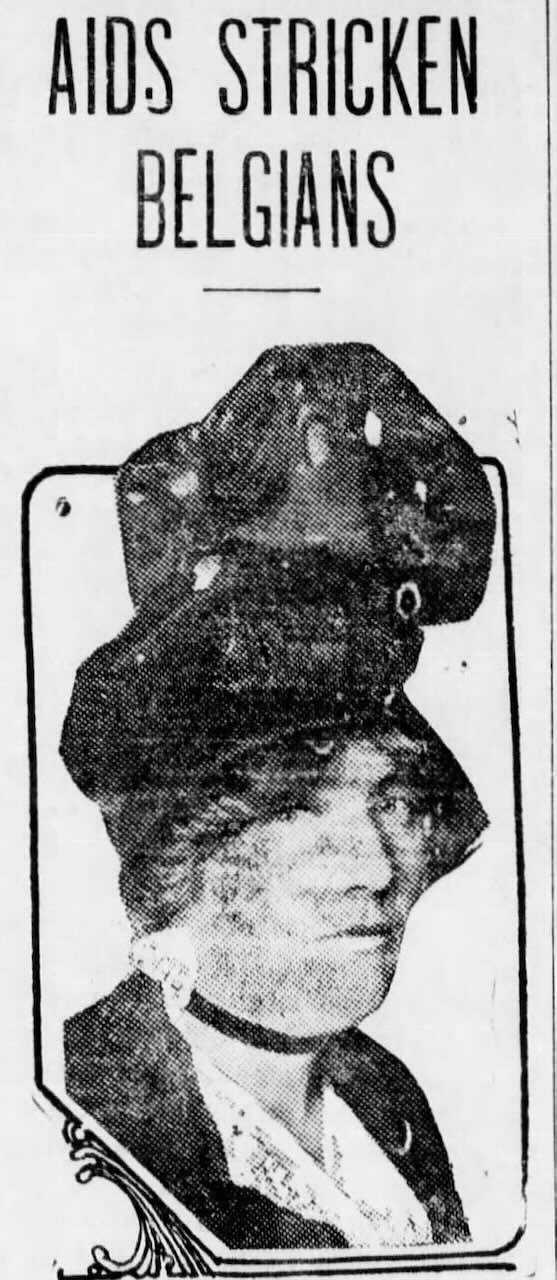
Josephine Bates ging aan de slag om haar groep te formeren. ‘Practically the identical group of women that are now about to take up the interests (…) originally took charge in the Mayor’s Committee in New York city of refugee women and children from Europe at the outbreak of hostilities there.'[8A]
Ze vond deze prominente, invloedrijke vrouwen in New York City bereid toe te treden; de dames stelden als voorwaarde dat er expliciete Belgische erkenning zou komen voor hun werk.
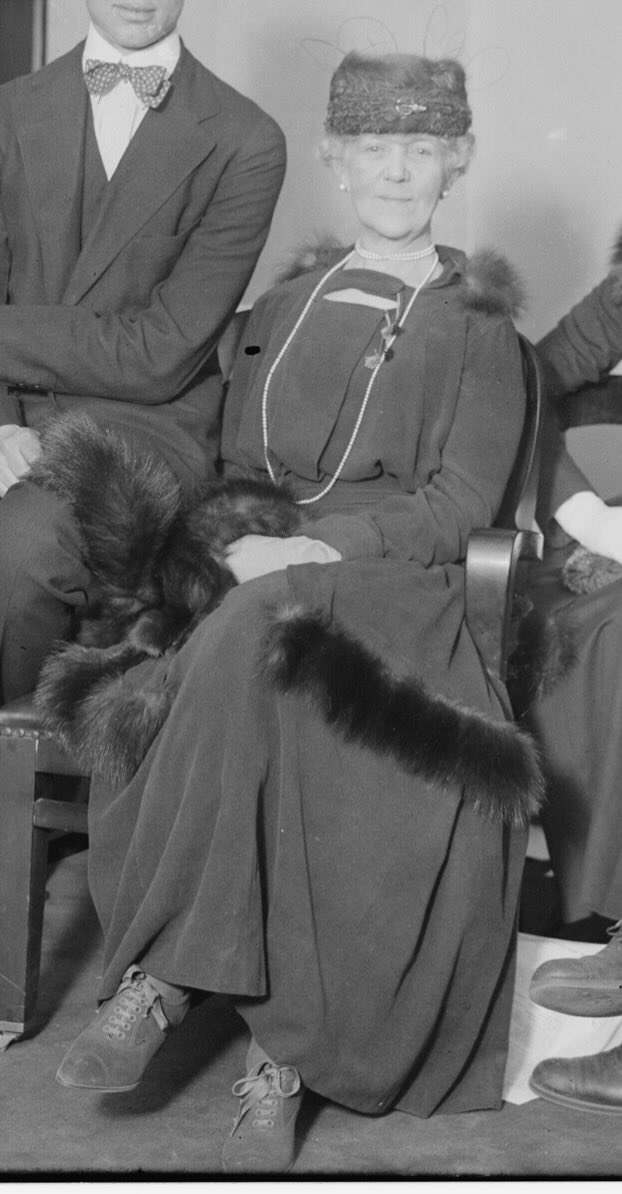
‘American Woman’s Section’ [9]
Het voorlopige executive Committee telde zes vrouwen uit de hoogste kringen in New York en was na veel afwegingen en overleg tot stand gekomen.
– Mrs. Lindon W. Bates: Josephine White Bates, Chairman
– Miss Anne Morgan (ºHighland Falls, NY, 25-07-1873 +Mount Kisco, NY, 29-01-1952), Treasurer (41 jaar)
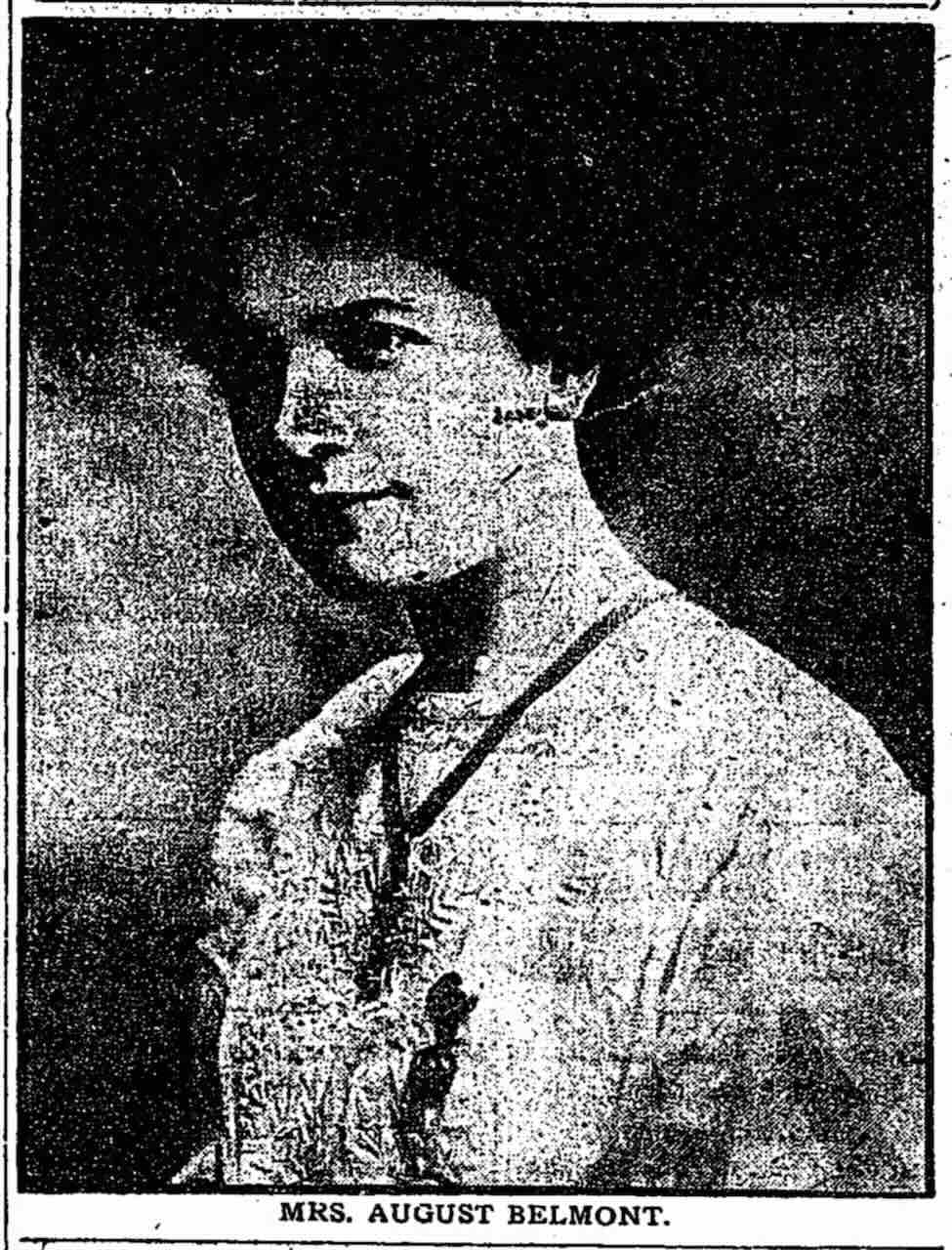
– Mrs. August Belmont: Eleanor Robson Belmont (ºWigan, Greater Manchester, UK, 13-12-1879 +New York, NY, 24-10-1979) (35 jaar)
– Mrs. Edward R Hewitt: Mary Ashley Hewitt (ºToledo, Ohio, 20-09-1866 +New York, NY, 03-11-1945) (48 jaar)
– Mrs. William K. Vanderbilt: Anne Harriman Vanderbilt (ºManhattan, NY, 17-02-1861 +Manhattan, NY, 20-04-1940) (53 Jaar)
– Miss Mary Parsons (º21-02-1864 +Lenox, Mass. 06-02-1940) (50 jaar).
‘The Woman’s Section of the American Commission for Relief in Belgium’
Josephine Bates berichtte enthousiast aan Herbert Hoover de concept-tekst van het persbericht dat zij voornemens was aan de Amerikaanse pers te sturen: ‘Release to press begins: “At request of the American Commission for Relief in Belgium movement has been inaugurated to secure the Cooperation of all organizations of women in America the Comittee is called the Woman’s Section of the American Commission for Relief in Belgium. Its executive Committee consists of Mrs Lindon Bates Miss Anne Morgan Miss Mary Parsons Mrs Edward R Hewitt Mrs August Belmont and Mrs William K. Vanderbilt. It is in alliance and is cooperating with The Belgian relief Committee of New York. It is securing a large Council and the Cooperation of the leading womens organizations in a nation wide movement for securing food for Belgium”. ‘[10]

Herbert Hoover antwoordde per omgaande even enthousiast en deed er enkele flinke scheppen bovenop:
– twee bootladingen voedsel had het CRB-hoofdkantoor al toegezegd gekregen van vrouwen uit Californië, daarom kon de naam van zijn vrouw worden toegevoegd; Oregon en Iowa rekende hij toe aan Josephine’s comité.
– 50.000 vrouwelijke kantwerksters zouden ze werk kunnen geven, kanten zakdoekjes maken, met verwijzing naar hongersnood, te verkopen voor een quarter, 10 cent door de kantwerksters te ontvangen als leefgeld:
“Hurrah will publish Monday morning. Can join wife’s name as she has by securing support California. Women just procured us two cargoes and would at once go. Oregon and lowa represent you. If we could give employment fifty thousand women lace workers, if we could sell lace embroidered handkerchiefs at a quarter and would cost about ten cents to give them living wage, they could contain famine remark. What do you think of it?” [11]
Nogmaals vroeg The Woman’s Section in oprichting om bevestiging van haar werk door de hoogst mogelijke Belgische autoriteit. Ze wilde dat de status van het CRB-hoofdkantoor in Londen en diens nieuwe Amerikaanse sectie in New York, officieel bevestigd zou worden. Het effende de weg om samen te werken met de andere actoren voor Belgian Relief in New York en daarbuiten.
Lindon W. Bates wees Herbert Hoover erop dat de status van zijn ‘officiële’ commissie in Londen niet bekend was in New York. De bekende organisaties die hulpgoederen en geld voor België inzamelden waren opgericht door de zgn. ‘atrocity mission’, de missie van vier Belgische ministers, en plaatselijk gevestigde, vooraanstaande Belgen. The Woman’s Section zou de enige organisatie zijn die hiervan onafhankelijk opereerde. (…) Mrs Bates should have appointment supplemented by cable confirmation highest attainable Belgian authority, (…) This will be only woman’s committee independent of De Forest, which was started by atrocity mission and local Belgians though recognised as inefficient, has preempted position making people ignorant of your officially preeminent status. Hesitate better arrange such cable neither De Forest group or local Belgians competent. Enlist invaluable help of such woman and organisations. Publish progress showing results several times greater in one week than De Forest in ten.” [12]

Het persbericht van CRB London headquarters – 9 november 1914
Uiteraard pakte het CRB-hoofdkantoor in Londen door, de CRB had draagkracht nodig en gaf een internationaal persbericht uit waarin onder meer de inhoud van Josephine Bates’ concept-persbericht over de Woman’s Section was overgenomen. Voor diezelfde draagkracht voegden Hoover en zijn medewerkers de naam van Lou Henry Hoover toe aan het in New York -de oostkust- zorgvuldig samengestelde vrouwencomité. Lou had immers conform opdracht uit Londen met de vrouwen in San Francisco – de westkust- twee schepen hulpgoederen bijeengebracht.
“Second week’s report by the Commission for Relief in Belgium, London headquarters: (…)
The Commission reports that a movement has been inaugurated to secure the co-operation of all organizations of women in America. The Committee for this purpose is called the Women’s Section of the American Commission for Relief in Belgium and its executive Committee consists of Mrs. Lindon Bates, Miss Anne Morgan, Miss Mary Parsons, Mrs. Edward R. Hewitt, Mrs. August Belmont, Mrs. William K. Vanderbilt and Mrs. H. C. Hoover. It is in alliance with and will co-operate with the Belgian Relief Committee in America and is securing a large council and the co-operation of the leading women’s organizations in a nationwide movement for securing food for Belgium from America. “[14]

De Amerikaanse kranten namen het bericht grif over en publiceerden het op 9 november. Waardoor Josephine en Lindon Bates in de kranten moesten lezen dat vanuit Londen hun comité van elite vrouwen in New York aan de oostkust zonder overleg was uitgebreid met de onbekende Lou Henry Hoover in Californië aan de westkust.
De samenwerking met het Belgian Relief Committee verzuimden de meeste kranten te vermelden, wat kwaad bloed zette bij de toch al achterdochtige, andere werkers aan Belgian Relief.
Lou Henry Hoover wel of niet in het executive Committee? -de rel
Het krantenbericht met de toevoeging van Lou Hoover’s naam aan het executive Committee veroorzaakte intern grote opschudding bij The Woman’s Section. Lindon Bates reageerde verontrust op Hoover’s bericht en de toevoeging van Lou’s naam:
‘Confidential situation here complex and delicate; committee picked by others after weighing all considerations. Mrs Bates believes she could not successfully ask addition any name at this time. ( …) Text sent was form of announcement adopted.’
Josephine’s verontwaardigde reactie aan Hoover was:
‘(…) decision was to constitute executive Committee as cabled. Request no action be taken in here, relative to our group owing complex situation here!’ [15]
Herbert Hoover zocht steun van zijn echtgenote en vroeg Lou in New York de zaak recht te gaan zetten: ‘(…) Having a dreadful time with jealous organizations New York and if you not importantly engaged believe you could do good deal consolidate matters there as everybody seems go wrong. We endeavouring get a proper organization New York where questions can be answered but will require little time get team in harness.’ [16]
‘Londen’, het CRB-hoofdkantoor maakte namens Hoover een dag later zijn excuses aan de vrouwen in New York, maar legde de schuld bij Josephine Bates: immers, zij koos ervoor om als naam te kiezen voor The Woman’s Section deel uitmakend van de Commission en Lou kon toch wel genoemd worden, want ze zou direct naar Europa verdwijnen…
‘Referring Mrs. Bates telegram regret extremely to have caused her slightest embarrassment. On other hand would have been criminal for me to have given a direct affront to Californians who have so generously provided us at least two cargoes of food. The difficulty arises out of Mrs. Bates inspiration to use name of Woman’s division of this Commission. If any other name would not matter, but we had given absolute authorities to California act our behalf. Proposed Lou as she is returning Europe and disappears. …
Will do nothing with regard to Women’s situation without consultation Mrs. Bates. Hope she will keep me advised.’ [17]

Het executive Committee onder leiding van Josephine Bates kwam voor het eerst bijeen op 10 november 1914 in de exclusieve vrouwensociëteit Colony Club, New York. “November 10th the first meeting of the Board of the Women’s Section was held after an informal luncheon at the Colony Club. The plan of organization was set forth by the Chairman and adopted. In outline it was this: The Leaders of the great organizations of women, International and National, were to be asked upon an Executive Co-operating Committee to stand with the Board of Seven. In their collective name an appeal was to be issued for the rescue of the famine-menaced Belgians. Their collective help was to be asked in making the appeal effective.” [18]

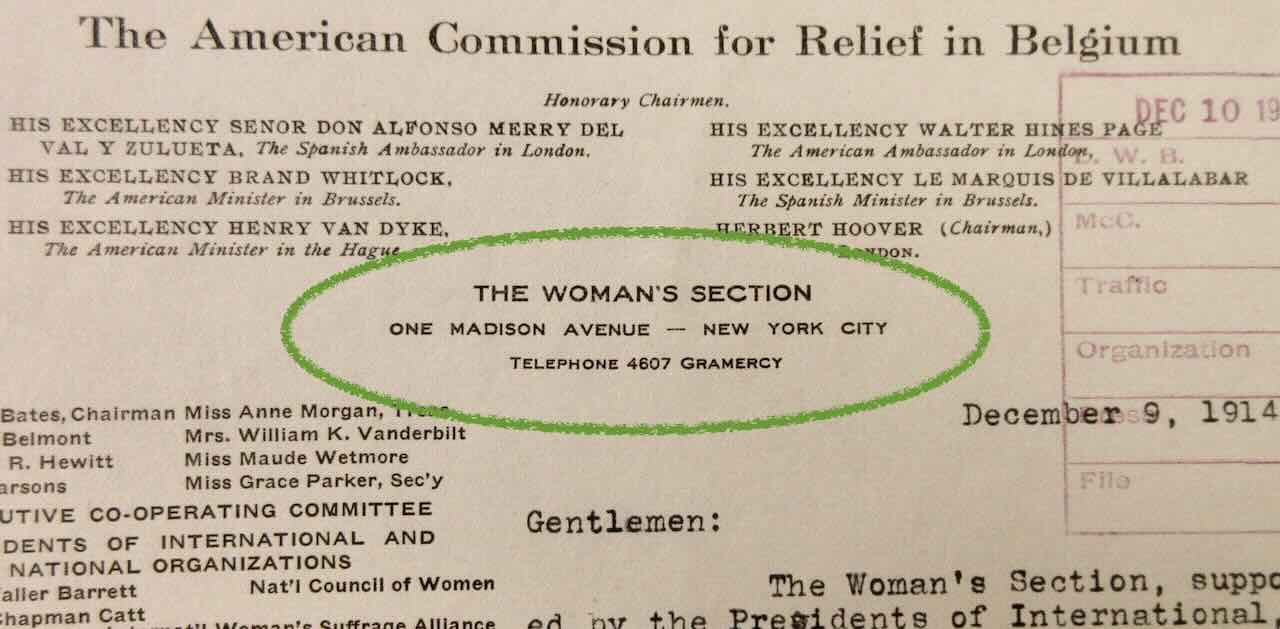
The Woman’s Section vestigde haar kantoor op One Madison Avenue, in het gebouw van de firma Morgan, het kantoor waar Anne Morgan, de penningmeester, zetelde.

Contact tussen Josephine Bates en Lou Henry Hoover
Lou Henry Hoover had onvermoeibaar gewerkt in Californië aan de inzameling van geld en voedsel voor de hulpverlening aan België; de initiatieven en opwinding elders leken aan haar voorbij te zijn gaan, maar nu nam ze actie. Op 10 november reageerde zij op de berichten uit New York en London. Ze vroeg om een brief waarin de situatie aan haar werd uitgelegd, omdat ze van plan was oostwaarts te reizen.
Josephine Bates legde direct contact met Lou Hoover: ‘A womens committee is organized here to secure the cooperation of leading womens organizations in a combined effort to get food for Belgium. Will you give me details of what is being done in California and names of women who are heading movement. We very much desire to closely cooperate with all who are working to this end and to help coordinate our efforts.’ [19]
Josephine Bates bevestigde dit aan Herbert Hoover: ‘Have wired Mrs Hoover for data and personnel California, shall harmoniously cooperate.’ [20]
Lindon Bates schreef Lou Hoover op 11 november 1914 een uitgebreide brief van acht kantjes waarin hij het ontstaan van The Woman’s Section van de American Commission for Relief in Belgium uit de doeken deed. [21]
Ook Herbert Hoover wilde zijn fout goed maken en vroeg zijn vrouw samen te werken met Josephine Bates en indruk op haar te maken omdat de vrouwen in Californië de eerste Amerikaanse staat waren die voedsel bijeenbrachten: ‘Mrs. Bates organizing swell womens division New York. In view support given you by California women I put your name on executive committee. Would be glad if you would cooperate with her in every possible way and impress upon her the service which has been performed by the women of California by getting off the mark as the first State which provided food.’ [22]
De eerste oproep van The Woman’s Section – 16 november 1914

Het overleg tussen Josephine en Lou resulteerde er kennelijk in dat Lou Henry Hoover niet toetrad tot het executive Committee van The Woman’s Section in New York. De eerste oproep van het comité bevatte namelijk zeven namen van prominente ‘oostkust’-vrouwen als management van The Woman’s Section in New York. De naam van Lou Henry Hoover kwam er niet in voor.
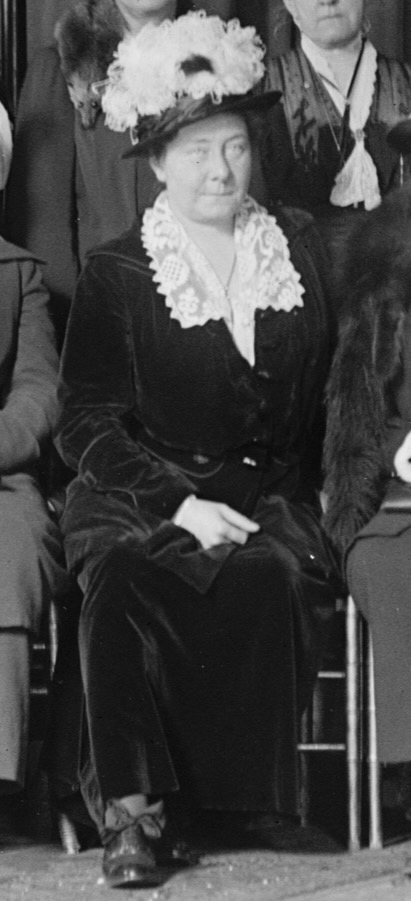
De aanvulling op de oorspronkelijke zes namen was Miss Maud Wetmore: Maud Keteltas Wetmore (ºParis, France, 07-02-1873 +03-11-1951), 41 jaar in 1914, Chairman of the National League for Woman’s Service. [22A]
Het briefpapier van The Woman’s Section in december 1914 vermeldde een achtste naam onder de Executive Board, namelijk Miss Grace Parker als Secretary. Miss Grace Parker was in 1917 actief als ‘national commandant’ van The National League for Woman’s Service. In de ‘History of the Woman’s Section’ van februari 1915, staat de naam ‘Miss Grace Cotton’ (?) vermeld als Secretaris.
Josephine Bates meldde op 15 november aan Lou Henry Hoover te verwachten dat spoedig organisaties, vijf miljoen vrouwen representerend, zouden zijn aangesloten. ‘Woman’s Section issues tomorrow first appeal representing call of six hundred thousand women in organizations. By next Sunday we will speak for five million, I expect. [23]
Vijf miljoen welgestelde en invloedrijke Amerikaanse vrouwen
De onderlinge berichten variëren in genoemde aantallen van 600.000 tot vijf, zes of acht miljoen vrouwen, aangesloten bij de betrokken Amerikaanse vrouwenorganisaties. Wat er zij van deze aantallen, deze vrouwen behoorden tot de hoogste kringen van de Amerikaanse samenleving, ze waren vooraanstaand, welgesteld en invloedrijk. Op eigen kracht, door afkomst of huwelijk. Ze waren door hun stand verplicht aangesloten bij meerdere organisaties. Deze fine fleur representeerde enkele machtige procenten van de totale Amerikaanse bevolking van honderd miljoen mensen.
APPEAL

De eerste oproep om hulp te organiseren voor België was gericht tot alle Amerikaanse vrouwen. ‘We, its Woman’s Section, make appeal to all the women of America to come to the rescue of a people.’ [24]:
De update over de reacties na de eerste oproep is vermeld in een notitie van 19 november 1914. Organisaties die een kleine zes miljoen vrouwen vertegenwoordigden hadden positief gereageerd op de oproep.

In de volgende dagen gingen er vele honderden brieven uit aan andere organisaties om zich aan te sluiten en zich in te zetten voor Belgian Relief. Via de nationale organisaties wilde Josephine Bates de organisaties in de Amerikaanse staten bereiken. ‘(…) it endeavors to reach through the National down into the State organizations. We are moving slowly, carefully and through official heads, in order that cooperation may be voluntary and that effort may be safeguarded in every direction.
Rapportage Josephine Bates aan Herbert Hoover, 28 november 1914
Aan Herbert Hoover rapporteert Josephine Bates over de tumulteuze start van The Woman’s Section.
‘It was not easy to get the first leaders, because by nature National Presidents are conservative and reluctant to take up anything which may appear to have a sensational phase. My first people were my crucial people. However, I had many old friendships to draw from, and I had made some recent friendships on the trip to Pittsburgh (…)
I have since the 10th (November) rallied seventeen National and International organizations, representing collectively 6,000,000 women. (…)
I have at this date fourteen State Federations standing with us.
(…) we have sent out to his thousand associates of the Associated Press, copies of our appeal and a request that the Movement be supported and disseminated though their papers. We are receiving most cordial responses. We sent similarly to 1,000 religious newspapers and societies with the endorsement of the Christian Herald here. This will bring us likewise support.
We will probably never have to report to you directly from the Woman’s Section a great record of food or money here, because we are not centering our efforts here, but we believe strongly that throughout all the states we will get local cooperation with the Governors and other States Committees.
We hope that you will approve of the general lines of our organization work, and the effort to get contributions where they can be most cheaply and most effectively in alliance with the Men’s Department.
We are to undertake, next month, a Mass Meeting at Carnegie Hall or some similar large rallying place. (…)
I think our Mass Meeting will have a good influence. You must bear in mind that never before within our knowledge has there been such a condition of unemployment and such a general cry of poverty. It is the least favorable time at which to appeal, but everything that can possibly be moved from this pivot, will be moved. (…).’ [26]
Van een ‘mass meeting’ in Carnegie Hall is het waarschijnlijk nooit gekomen, er zijn geen bronnen die daar naar verwijzen.
De State Committees kwamen er wel. Josephine Bates hield hen met nieuwsbrieven op de hoogte van voortgang in de netwerkactiviteiten.
Antwoord Herbert Hoover aan Josephine Bates op 18 december 1914
De gearchiveerde reactie uit Londen op Josephine Bates’ brief is ondertekend met de initialen H.C.H. De woordkeuze in de brief is weinig betrokken en zodanig obligaat dat een ghostwriter, een medewerker van het CRB-hoofdkantoor in Londen, de brief lijkt te hebben gedicteerd aan een secretaresse; het epistel is bovendien slordig. Gerefereerd wordt aan Josephines brief van 28 december, wat moet zijn 28 november. De adressering is aan haar privé-adres. Vervolgens over The Woman’s Section: ‘we hear on all sides of the magnificent work your Committee has done and the strength that you have put behind all the local Belgian Relief Committees.’ Daarentegen is de Men’s Department: ‘a splendid business organisation under your Husband in New York’.
De brief bevat een interessante observatie over het eerder veelgeprezen Californië dat onder Lou Henry Hoover naar zeggen twee scheepsladingen hulpgoederen bijeen had gebracht. Het enthousiasme aan de westkust lijkt voorbij: ‘The general position there is that they probably have already exhausted their energies in sending the shipload of food and I doubt whether much more is to come from there.’ [27]
Tot slot
De inzameling van levensmiddelen en geld voor België kwam in een stroomversnelling. Het belang van de coördinatie van de hulpacties van diverse rivaliserende comité’s in de Verenigde Staten, met name de Rockefeller Foundation, het Belgian Relief Fund, het Amerikaanse Rode Kruis, de ‘Belgian Relief Movement’ van de Northwestern Miller en nu ook de CRB-sectie American Commission for Relief in Belgium in New York met een ‘Men’s Department’ en ‘Woman’s Section’ werd erkend. Deze werd afgedwongen door het CRB-hoofdkantoor in Londen dat uit was op een monopoliepositie in aankoop en logistiek.
Josephine White Bates nam initiatieven en betrok op eigen wijze de bestaande Amerikaanse vrouwenorganisaties bij het werk voor Belgian Relief.
“The Woman’s Section is but a temporary creation, born of the catastrophe of a people (…)” waren profetische woorden van Josephine Bates.[25]
Voetnoten
*) Ryan was voorzitter van het Amerikaanse Rode Kruis en vice-voorzitter van het Belgian Relief Committee. (nog checken)
[1] Josephine White Bates publiceerde onder meer:
A Blind Lead. The Story of a Mine (1888)/ A Nameless Wrestler (1889)/Bunch-Grass Stories, (1895) / / Armaïs and others (1892)/ Mercurial poisoning in the industries of Great Britain (1909)/ Mercury Poisoning in the Industries of New York and Vicinity (1912).
Haar achtergrond: ‘Born in Ontario and educated in Chicago, Josephine White Bates was an author and active in women’s literary circles. History might best remember Bates as a New York blueblood, socialite , intellectual, and wife of celebrated civil engineer Lindon Wallace Bates, who achieved fame for his contributions to the Galveston Sea Wall and the Panama Canal.‘
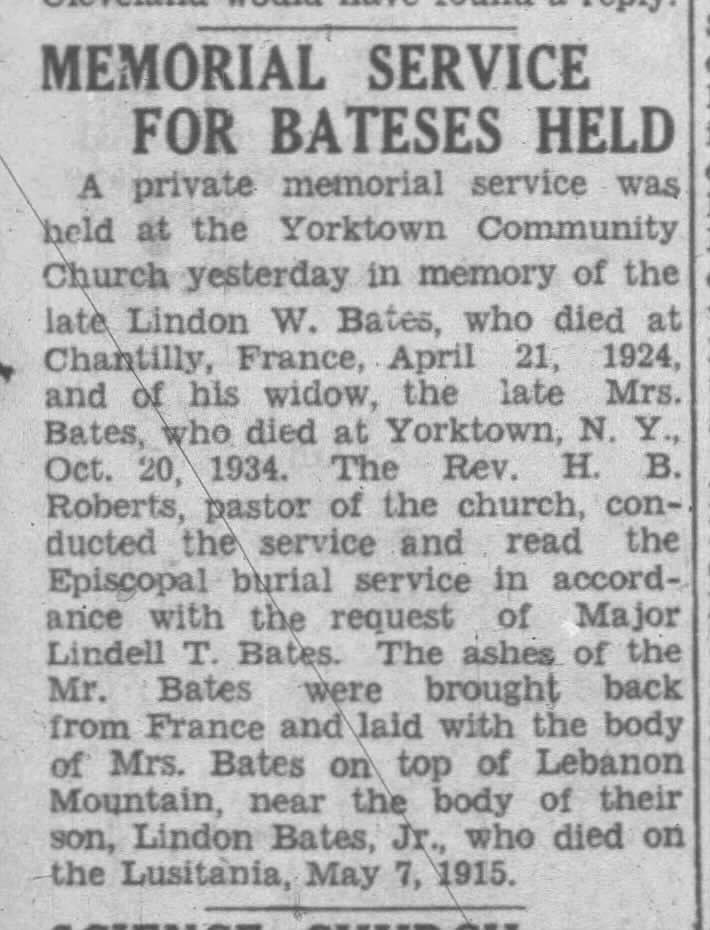
[1a] Plaats en datum van overlijden van Lindon W. Bates zijn bron van verwarring. Chantilly, Frankrijk, op 21 april 1924 is vermeld in de lokale Amerikaanse krant waar de herdenkingsdienst voor hem en zijn vrouw zijn gehouden in 1934. Andere bronnen vermelden “London, UK, 22-04-1924”. De bron genoemd bij de herdenkingsdienst heb ik hier aangehouden.: The Berkshire Eagle (Pittsfield Massachusetts), 5 november 1934.
[2] 28 oktober 1914 CRB Records 22003 box 114 HILA
[3] 29 oktober 1914 CRB Records 22003 box 114 HILA
[4] idem
[5] Cablegram 31 oktober 1914 Mr. Hoover aan Mrs. Bates. Citaat uit brief Mr. Bates aan Mrs. Hoover dd. 11 november 1914 (p. 3). LHH papers box 82 HHPLM.
Gay & Fisher, Public Relations of the Commission for Relief in Belgium, Documents, Volume II, Document 555, p. 251, vermeldt de tekst van dit telegram, echter zonder de context dat de vrouwenorganisatie een idee was van Josephine Bates en dat zij via Lindon Bates had verzocht om dit officiële verzoek.
[6] 1 november 1914 LHH papers box 82 HHPLM
[7] Lindon Bates vermeldde ‘a conference in Pittsfield’ (dit ligt in de staat Massachusets). Josephine Bates zelf noemde in haar brief aan Herbert Hoover van 28 november 1914 ‘I had made some recent friendships on the trip to Pittsburgh’. Ik ga er daarom vanuit dat het gaat om Pittsburgh (Pennsylvania).
[8] 11 november 1914 LHH papers box 82 HHPLM
[8A] The Evening Star, Washington DC, 14 januari 1916
[9] 5 november 1914 CRB Records 22003 Box 5 HILA-album Lindon Bates correspondence)
[10] 7 november 1914, CRB Records box 114 HILA
[11] 7 november 1914, CRB Records box 114 HILA. Op 9 november zou Lindon Bates over de kantwerksters antwoorden aan Hoover: “Mrs. Bates will arrange after preliminary meeting take up lacemaking proposition and carry out your valuable suggestion.” (CRB Records 22003 Box 5, HILA)
[12] 8 november 1914 CRB Records Box 5, HILA
[14] 9 november 1914, CRB records box/file 47-5 HILA
[15] 9 november 1914, CRB Records box 114 HILA.
1) De geschiedkundige Dr. Elisabeth Piller, Universiteit Freiburg, Duitsland, merkte in een artikel op dat Mrs. Hoover nooit een officiële rol kreeg binnen de CRB. Elisabeth Piller (2023) Beyond Hoover. Rewriting the History of the Commission for Relief in Belgium (CRB) through Female Involvement, The International History Review, 45:1, 202-224.
Quote: ‘Although Lou Henry Hoover, after bringing their two children to safety in the United States, made it a point to return to London in November 1914 and stay with her husband, she was never connected to the CRB in a more official capacity.’ Unquote (p.214).
2) De schrijfster Annette Durlap schreef een boek over het leven van Lou Henry Hoover: ‘A Woman of Adventure, The Life and Times of First Lady Lou Henry Hoover’ (2022). Het bevreemde haar waarom de naam van Mrs. Hoover vanwege haar grote verdiensten voor de CRB niet vooraan heeft gestaan in de Woman’s Section.
Quote: ‘Bert’s name is listed as the chairman of the CRB. Lou, who worked assiduously behind the scenes, is not listed in the masthead for the Women’s Division.
Unquote (Chapter 6: A World and a Marriage Transformed, p.77).
[16] 9 november 1914 LHH papers box 82 HHPLM
[17] 10 november 1914, CRB Records box 114 HILA
[18] Commission for Relief in Belgium, History of The Woman’s Section of the Commission for Relief in Belgium. Appeal. New York, 26 februari 1915
[19] 11 november 1914 LHH papers box 82 HHPLM
[20] received 12 november 1914, CRB Records box 114 HILA
[21] 11 november 1914 LHH papers box 82 HHPLM
[22] 13 november 1914 LHH papers box 82 HHPLM
[22A] Maude A. Keteltas Wetmore was dochter van George Peabody Wetmore, 37ste gouverneur van Rhode Island en later VS-senator voor deze staat. Maude Wetmore zette zich in voor de vrouwensectie van de National Civic Federation, opgericht in New York in 1900. Het was een conservatieve denktank en alliantie voor hervormingen, sterk gelieerd aan de Republikeinse partij.
Over The National League of Woman’s Service: Mrs. Lolita Coffin Van Rensselaer, The Annals of the American Academy of Political and Social Science, Vol. 79, War Relief Work (Sep., 1918), pp. 275-282.
Stable URL: https://www.jstor.org/stable/1013993
[23] 15 november 1914 LHH papers box 82 HHPLM
[24] CRB Records box 352, file 4 HILA. De oproep (er zijn twee identieke persberichten met de datum 16 resp. 17 november 1914, 16-11 ging naar kranten in New York City, 17-11 ging naar Associated Press.) is gericht tot alle Amerikaanse vrouwen: “We, its Woman’s Section, make appeal to all the women of America to come to the rescue of a people.”
Dr. Elisabeth Piller in ‘Beyond Hoover’ (zie [15.1)]) schrijft abusievelijk dat de oproep gericht zou zijn tot ’the American president’ (p. 209). Binnen de bestaande verhoudingen in 1914 zou het ongehoord zijn geweest dat de Woman’s Section een oproep zou richten tot de president van de Verenigde Staten.
[25] Commission for Relief in Belgium, History of The Woman’s Section of the Commission for Relief in Belgium. Appeal. New York, februari 1915 p. 10.
[26] Brief Josephine Bates aan Herbert Hoover, 28 november 1914, LHH Papers Box 82 HHPLM.
[27] Brief Herbert Hoover aan Josephine Bates, 18 december 1914, LHH Papers Box 82 HHPLM.